

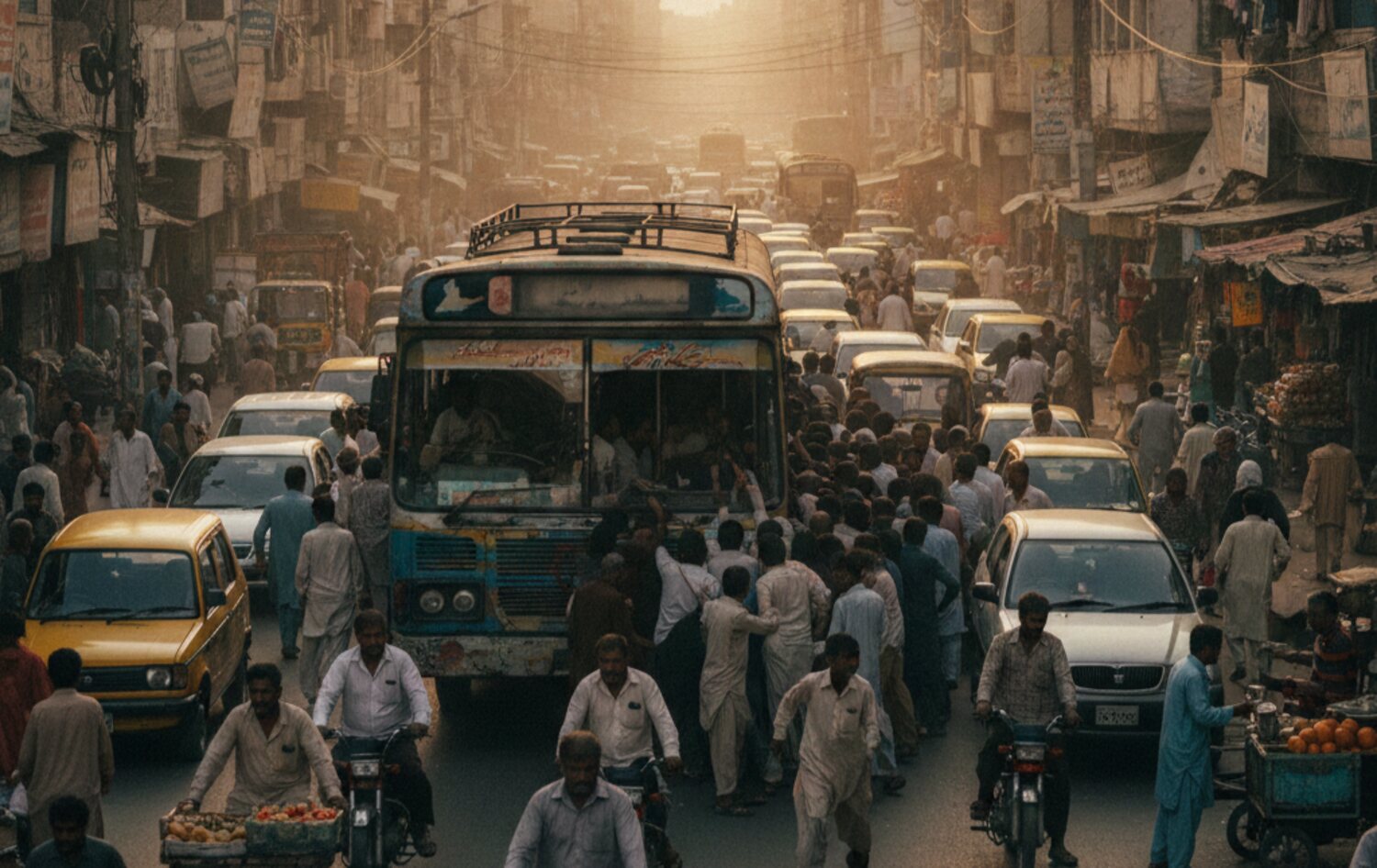
Public transport plays a vital role in keeping major cities of Pakistan moving every day. Millions of people rely on buses, wagons, and urban transit systems to reach offices, schools, hospitals, and markets. However, using public transport in Pakistan is rarely smooth or stress-free. From long waiting times to overcrowded vehicles, these issues shape daily routines and productivity. Having traveled regularly across different cities, I have seen how transport problems affect not just travel time but also mental and physical well-being. Understanding these challenges is important to see why public transport struggles continue in Pakistan’s growing urban centers.
Daily Commuting Struggles Faced by Urban Residents
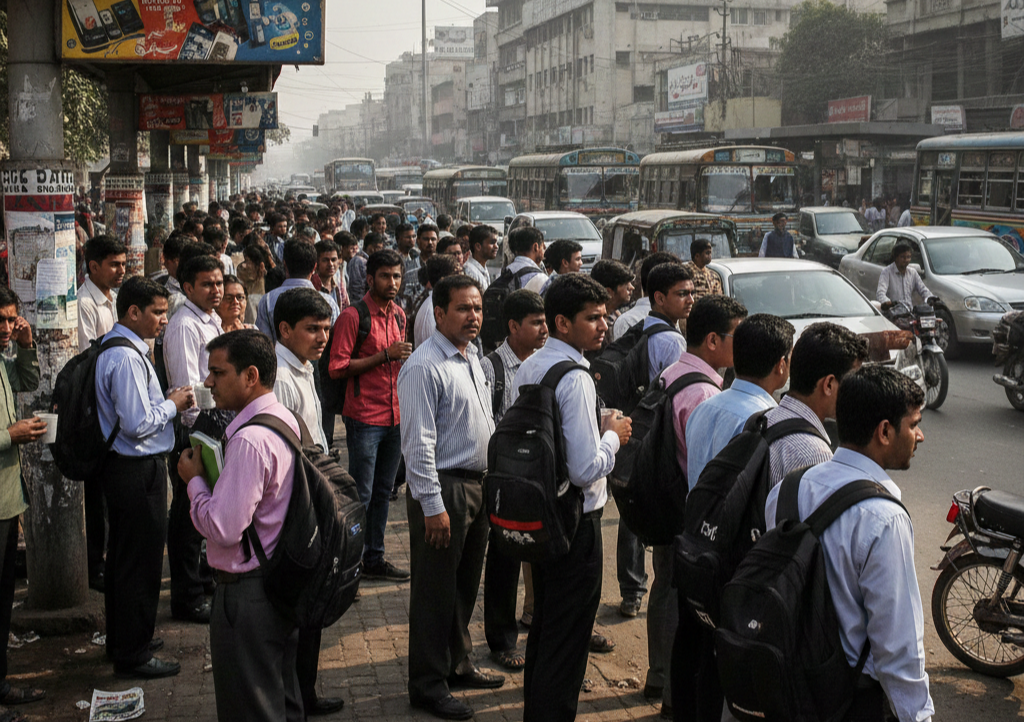
In cities like Karachi, Lahore, Rawalpindi and Islamabad pick and drop or public transport is part of daily survival rather than convenience. I’ve personally experienced how a short-distance commute can turn into an exhausting routine. Buses arrive late, routes are unclear, and passengers often stand shoulder to shoulder during peak hours. This daily commuting pressure affects office workers, students, and even elderly passengers who depend entirely on public transport.
The lack of punctuality is one of the biggest frustrations. When buses or wagons do not follow a fixed schedule, people leave home earlier than necessary, wasting productive hours. In Karachi, traffic congestion makes travel times unpredictable, while in Lahore, overcrowding becomes unbearable during school and office timings. Islamabad, despite better planning, still faces limited coverage in outer sectors where people struggle to find reliable transport options.
Infrastructure Gaps and Poor Transport Planning
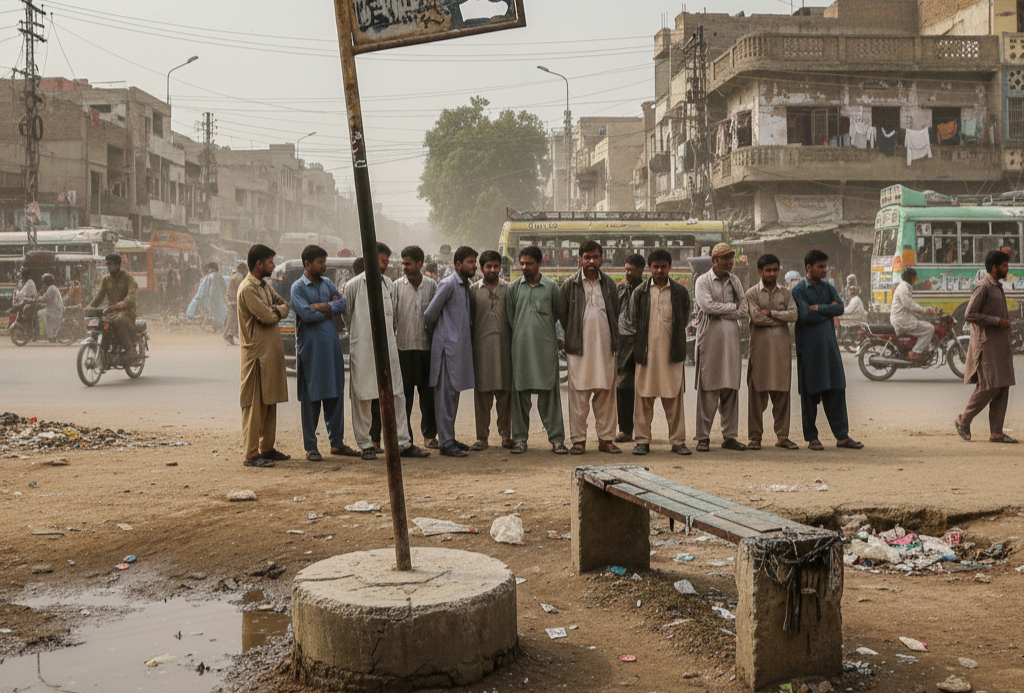
One major issue across Pakistan’s urban centers is weak transport infrastructure. Many bus stops are broken, poorly marked, or missing entirely. In cities like Rawalpindi and Faisalabad, passengers wait on roadsides without shade, seating, or safety. This discourages people, especially women and senior citizens, from using public transport.
Transport planning often fails to match population growth. New housing societies expand rapidly, but public transport routes remain outdated. I’ve seen areas where thousands of residents rely on a single route served by just a few vehicles. Without proper planning, even modern initiatives struggle to deliver long-term relief.
Overcrowding and Lack of Comfort
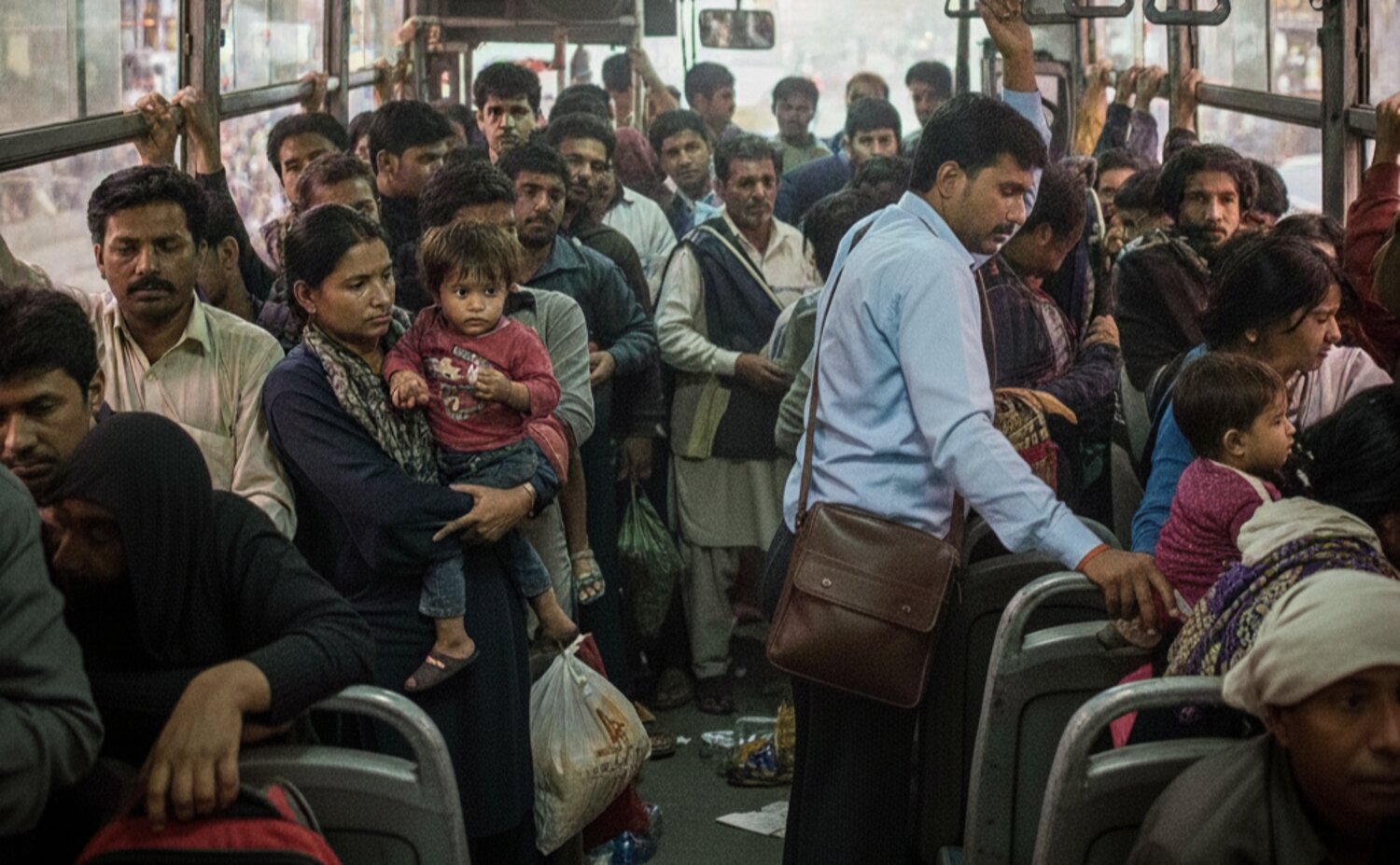
Overcrowding is not just uncomfortable—it is unsafe. Buses and wagons frequently exceed capacity, especially during rush hours. In my experience, standing in a packed bus for 40 minutes after a long workday drains both physical energy and mental focus. This problem is common in Karachi and Lahore, where demand far exceeds supply.
Poor seating, broken doors, and lack of ventilation add to passenger discomfort. During summers, travel becomes even more difficult as many vehicles operate without proper cooling. These conditions push people who can afford it toward private transport, increasing traffic and pollution further.
Safety and Security Concerns for Passengers
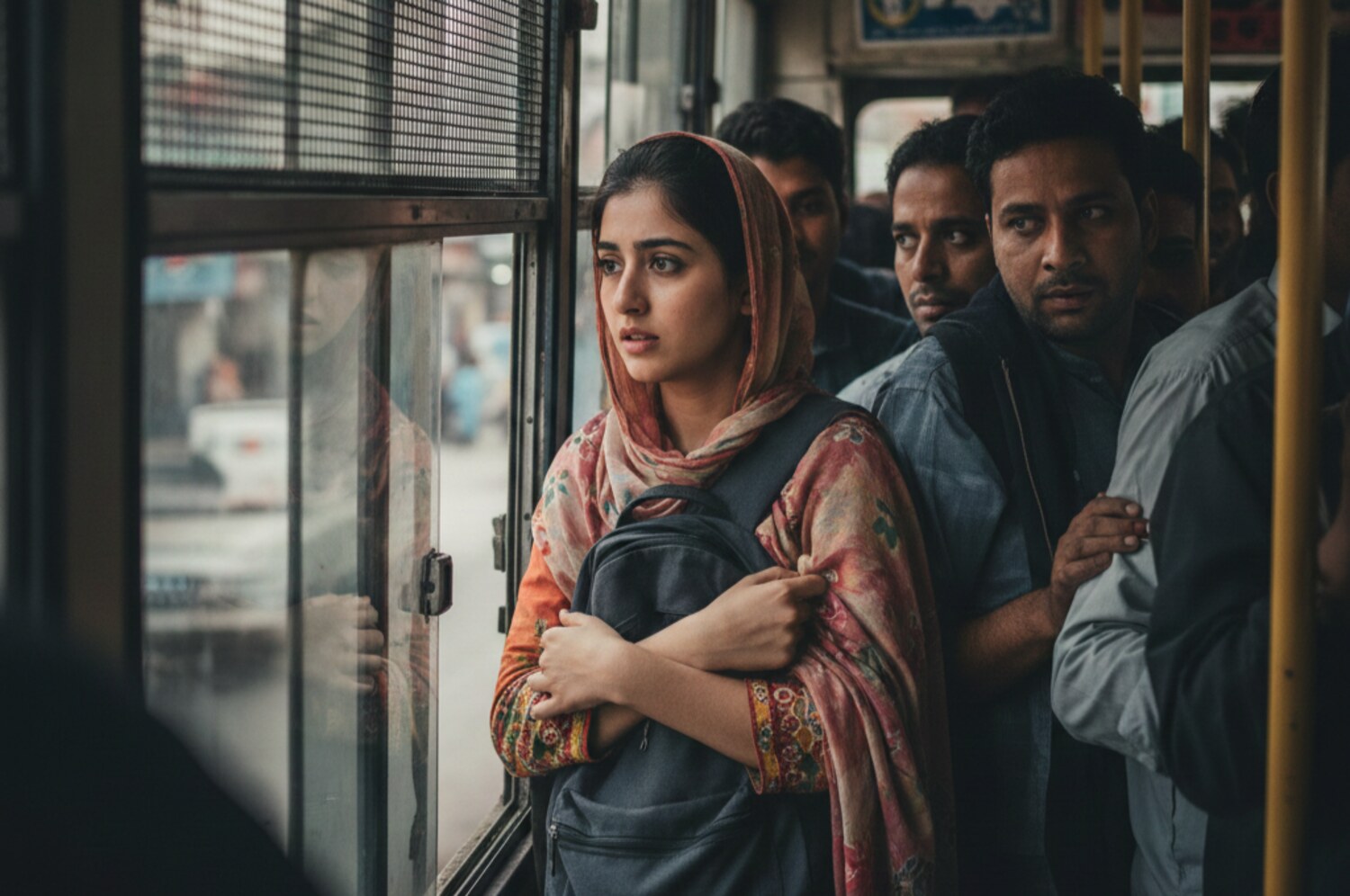
Safety is a serious concern, particularly for women and students. Incidents of harassment, pickpocketing, and reckless driving are reported regularly. In cities like Multan and Peshawar, the absence of monitoring systems makes enforcement weak.
Drivers often race to pick up more passengers, ignoring traffic rules. From personal observation, sudden braking and speeding are common, increasing the risk of accidents. Without strict checks, public confidence in transport systems continues to decline.
Environmental Impact and Rising Urban Pollution
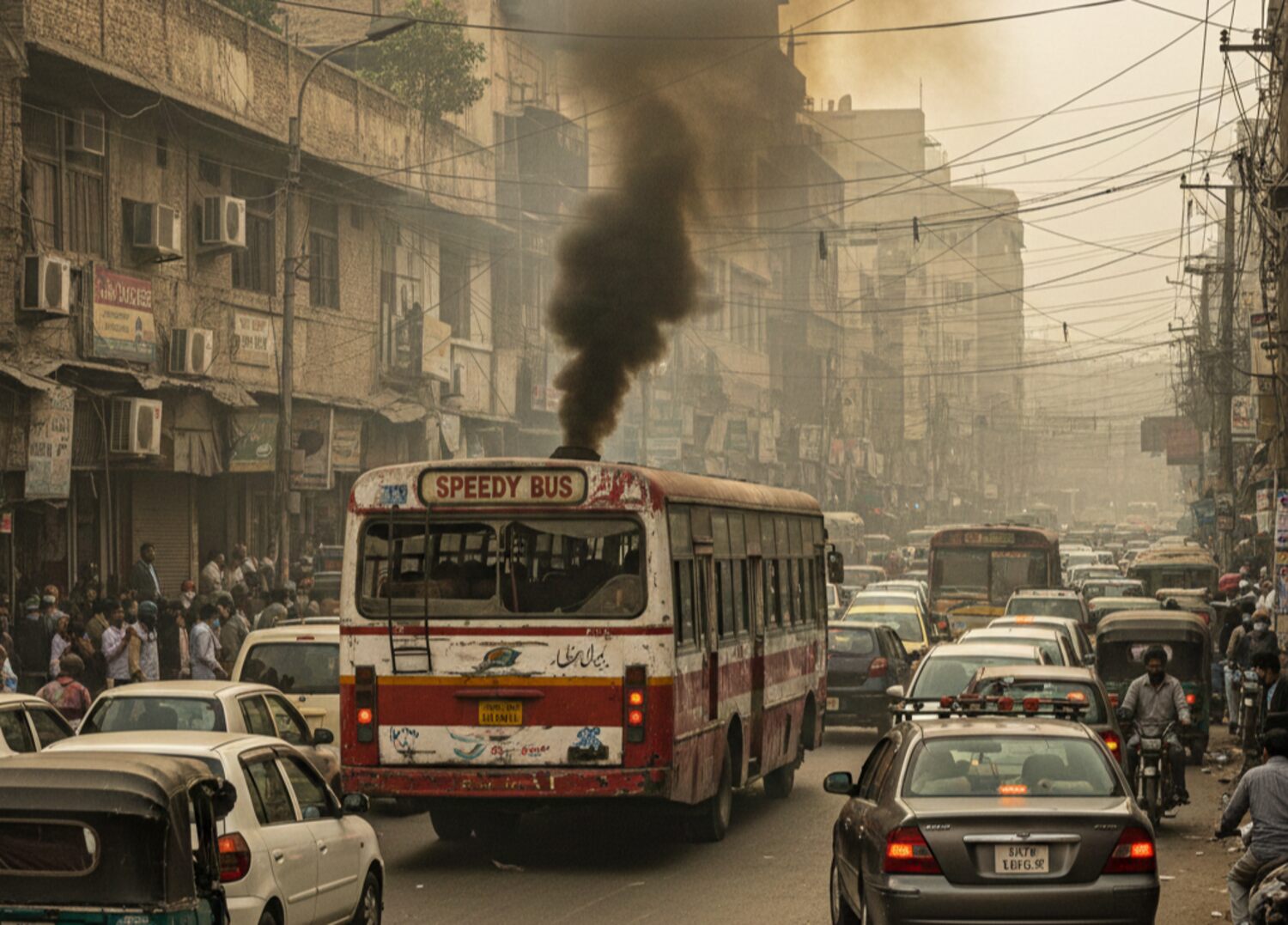
Public transport should reduce pollution, but outdated vehicles do the opposite. Many buses and wagons run on poorly maintained engines, releasing thick smoke into already polluted city air. In dense urban areas, this contributes to respiratory issues and poor air quality.
Cities like Karachi and Lahore already struggle with smog and environmental stress. When public transport fails to modernize, it indirectly encourages private vehicle use, worsening fuel consumption and traffic congestion.
Economic Pressure on Daily Commuters
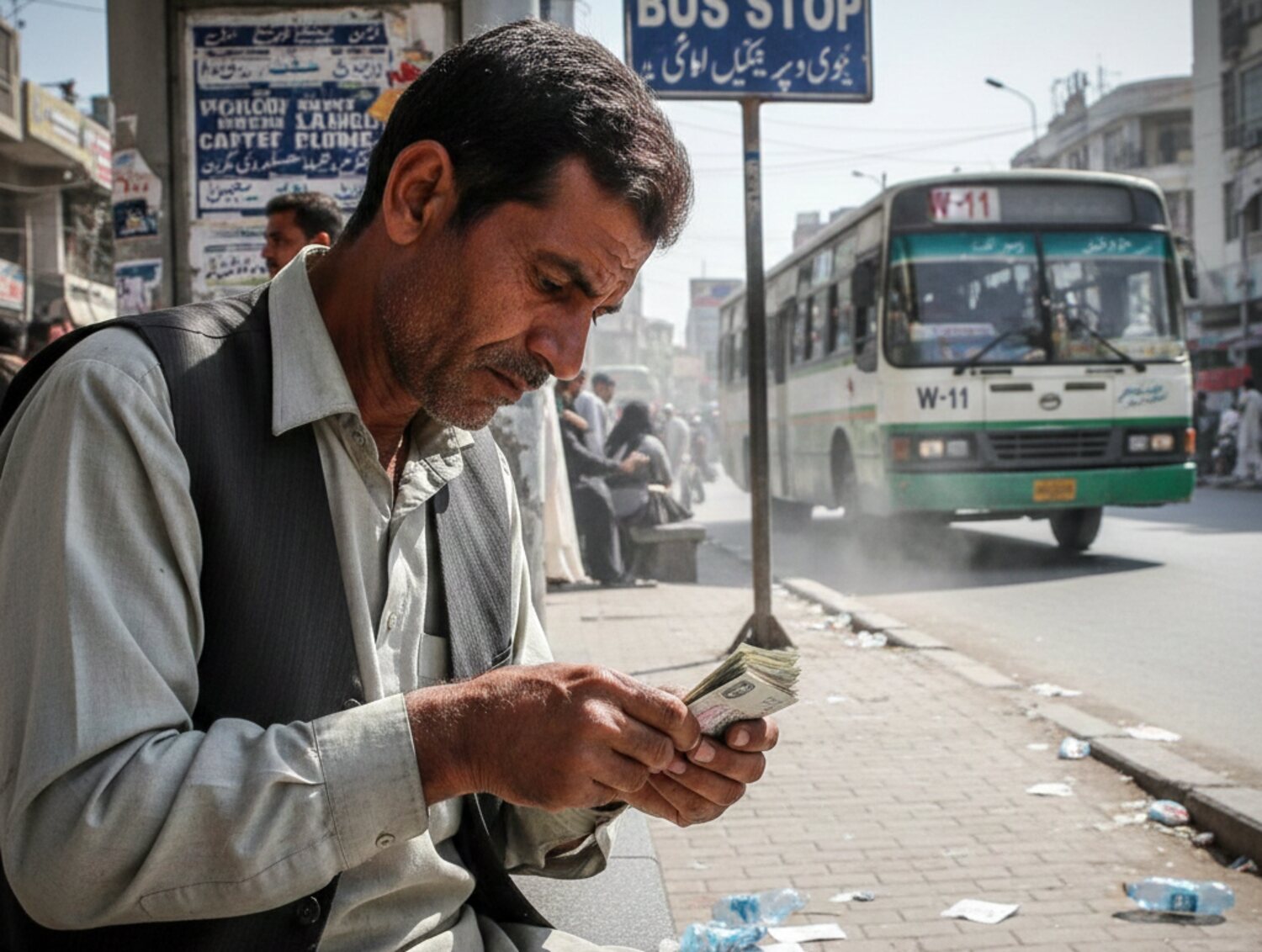
For low-income families, public transport is the only affordable option. However, rising fares without improved service quality create financial pressure. Daily commuters often spend a significant portion of their income just getting to work or school.
I’ve spoken to workers who travel across cities daily, spending hours on the road and a large share of their wages on transport. When public transport becomes unreliable and expensive, it directly affects household stability and productivity.
Limited Accessibility and Inclusivity
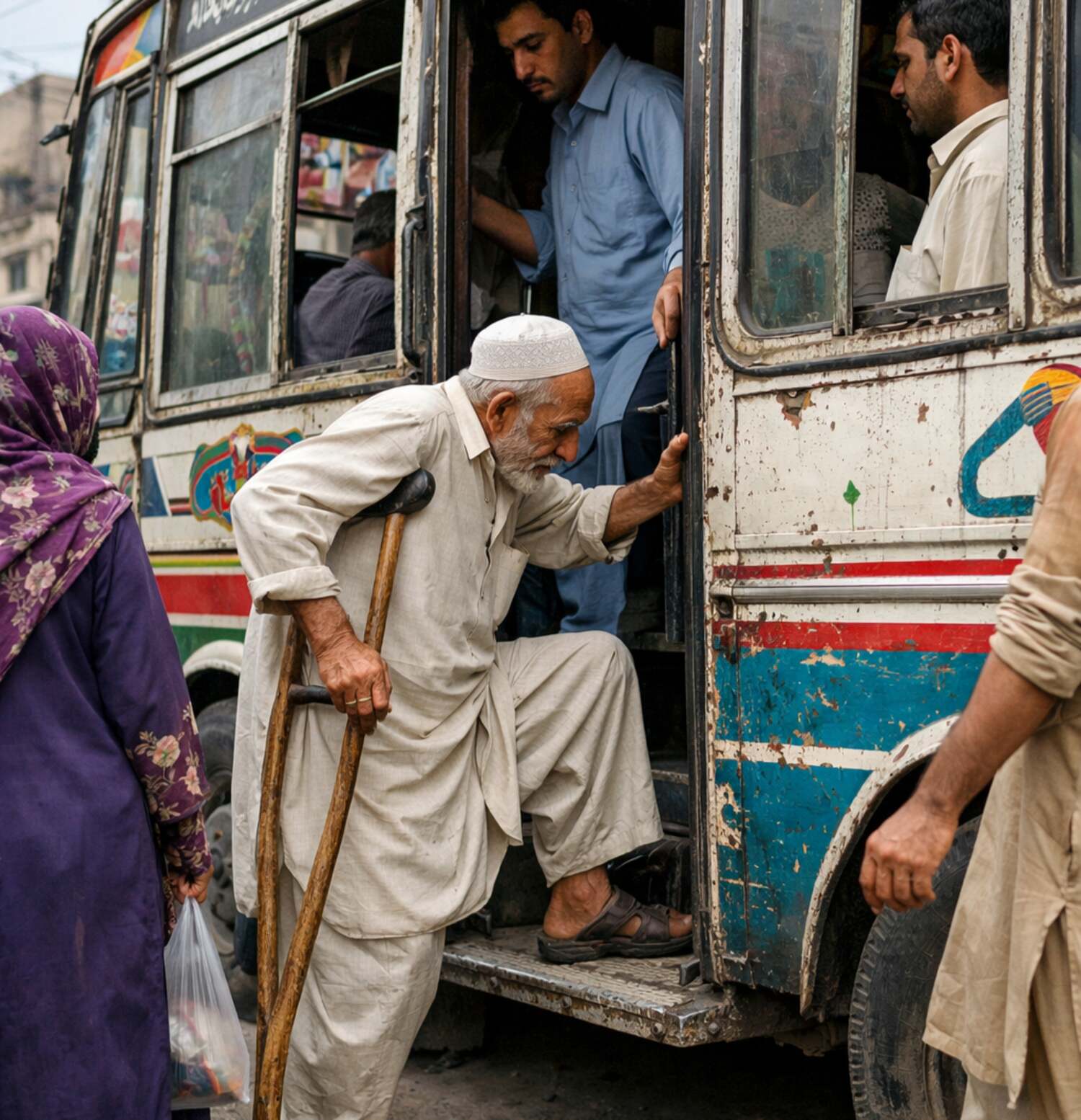
Public transport systems in Pakistan rarely consider people with disabilities. Wheelchair access, low-floor buses, and clear signage are mostly absent. This lack of inclusivity forces many individuals to depend on private help or avoid travel altogether.
In newer parts of Islamabad, some improvements exist, but most cities still lag behind. A truly functional transport system should serve everyone equally, not just those who can physically manage difficult conditions.
Public transport issues in major cities of Pakistan show why daily commuting has become stressful for so many people. Overcrowding, safety concerns, poor planning, and rising costs affect productivity and peace of mind every day. When travel becomes unreliable, people start looking for better, safer, and more time-efficient alternatives. If you are facing daily transport problems for work or study and want a smoother commuting experience, you can explore a reliable pick and drop solution. To discuss your route, timing, or requirements, feel free to contact us through our contact page and get guidance for a more comfortable daily commute.
FAQs
What are the main public transport issues in major cities of Pakistan?
The main public transport issues in major cities of Pakistan include overcrowding, irregular schedules, poor infrastructure, safety concerns, and lack of comfort. These problems affect daily commuters, students, and office workers the most.
Why is public transport overcrowded in Pakistani cities?
Public transport is overcrowded because the number of buses and wagons is far less than the daily demand. Rapid population growth, limited routes, and poor transport planning increase pressure during peak hours.
How do public transport problems affect daily commuters?
Public transport problems cause long travel times, physical exhaustion, mental stress, and reduced productivity. Many commuters leave home early and return late due to unreliable transport services.
Is public transport safe for women in Pakistan?
Safety remains a concern for women using public transport. Overcrowding, lack of monitoring, and weak enforcement increase discomfort and security risks, especially during rush hours.
How does poor public transport contribute to pollution?
Old and poorly maintained vehicles release harmful emissions into the air. This increases air pollution in large cities and negatively impacts public health and the environment.
Why is public transport not accessible for everyone?
Most public transport systems lack facilities for elderly and disabled passengers. High steps, narrow entrances, and absence of proper seating make travel difficult for many people.
What alternatives do people use due to public transport issues?
Because of public transport issues, many people shift to private vehicles, motorcycles, or pick and drop services. These options offer better comfort, safety, and time management for daily commuting.
Can improved public transport reduce traffic problems in Pakistan?
Yes, improved public transport can reduce traffic congestion by lowering the number of private vehicles on roads. Reliable and comfortable services encourage more people to use shared transport.
